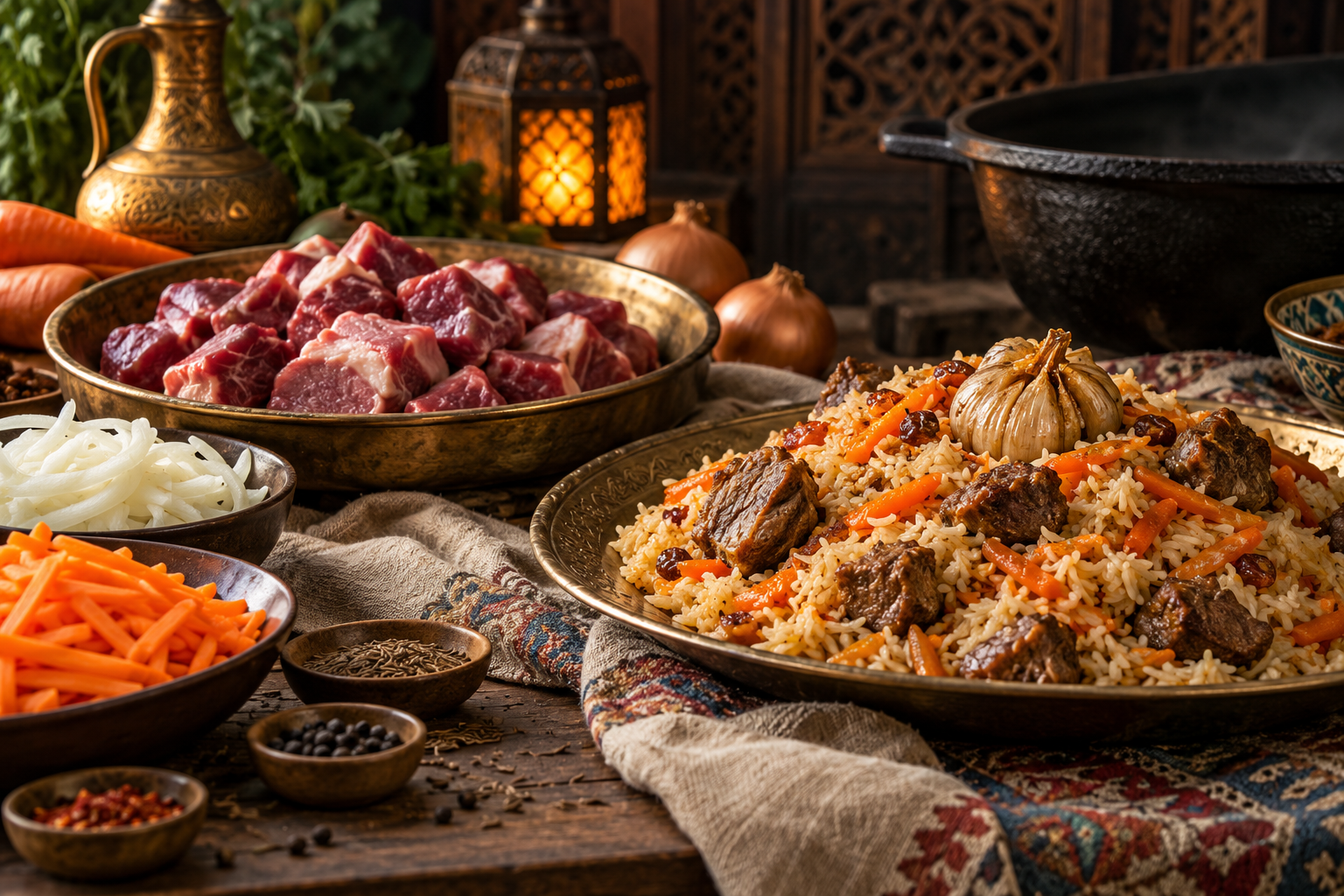
Lamb plov asks you to coordinate two different goals: tender meat and rice with the texture you want. The cut of lamb determines how you should plan the first part.
Choose the lamb cut for plov
Choose a lamb recipe before choosing the meat. Check whether it expects a quick-cooking cut or a cut that needs a longer simmer. Have the supplier prepare consistent pieces if you are uncertain about the cutting instructions.
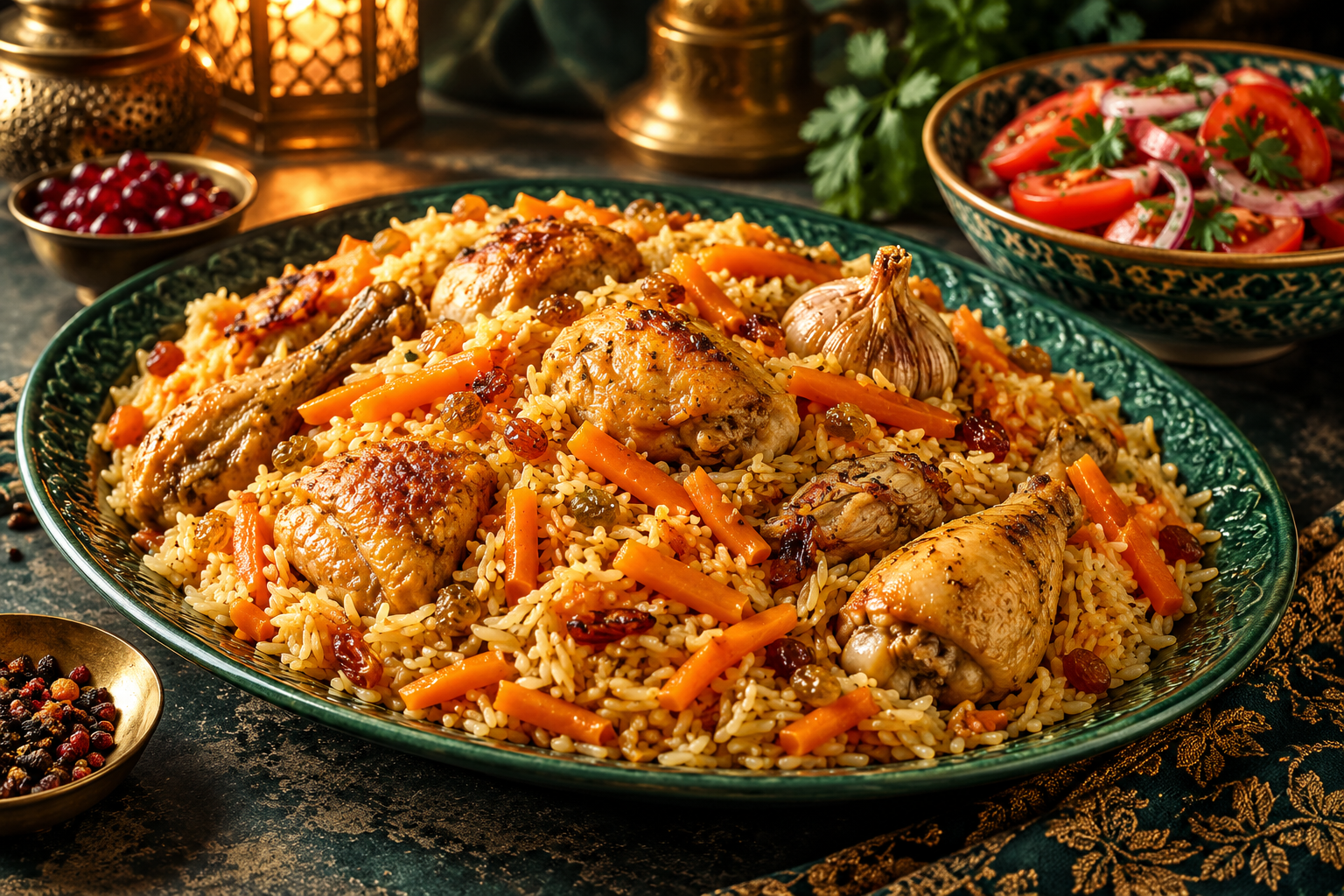
For a home recipe draft, use 300 g rice, 500 g lamb in suitable pieces, 400 g carrots, two small onions, a garlic head, 3 tablespoons oil and cumin to taste. These amounts define a starting batch; the meat-specific simmer, liquid and timing need validation.
Give the meat its stage
Brown manageable batches, then cook the onion and carrots as your selected method directs. Add seasoning and the simmering liquid before beginning the rice stage. Do not ask the rice to wait indefinitely while a tough cut catches up.
Food safety is not the same as tenderness. Follow the temperature guidance appropriate to the cut and preparation, and assess texture separately. The linked FoodSafety.gov chart distinguishes whole cuts, ground meat and mixed casseroles.
Write down the useful result
Record the cut, piece size and simmer time alongside the rice notes. A successful dish can then be repeated without treating every package of lamb as the same ingredient. Serve with a simple fresh side rather than trying to correct an overly rich pot with more oil.
Continue reading: Chicken plov for four: an original home-kitchen recipe.
Frequently asked questions
Can I swap any lamb cut without changing the method?
No. Choose a recipe compatible with the cut and adjust the meat stage deliberately.
Does tender meat prove safe cooking?
Use the relevant thermometer guidance; texture alone is not a safety check.
Which lamb cut should I use for plov?
Choose the cut specified by a complete recipe and match it to the simmering stage. Consistent pieces and a recorded preparation help repeat the result. Different cuts should not be assumed to need the same cooking sequence.
How do I make lamb pilaf without overcooking the rice?
Give the meat the preparation stage it needs before the grain is added. Use the selected method’s readiness cues and safety checks. Extending the rice finish indefinitely to tenderise an unsuitable cut can damage the grain texture.
Can I replace lamb with beef in plov?
Select a beef-compatible method rather than preserving a lamb instruction automatically. Meat preparation and tenderness requirements may change. Treat it as a deliberate variation with its own cooking record.
Is lamb plov ready when the meat feels tender?
Tenderness and safe cooking need separate checks, and the rice must also reach the intended texture. Use the appropriate official temperature guidance for the preparation rather than relying on only one observation.
Sources & editorial notes
Original Tales & Table editorial guidance. Linked sources support the cultural, rice or safety points identified in the text. Recipe ideas are original kitchen drafts and have not been tested by our kitchen.